
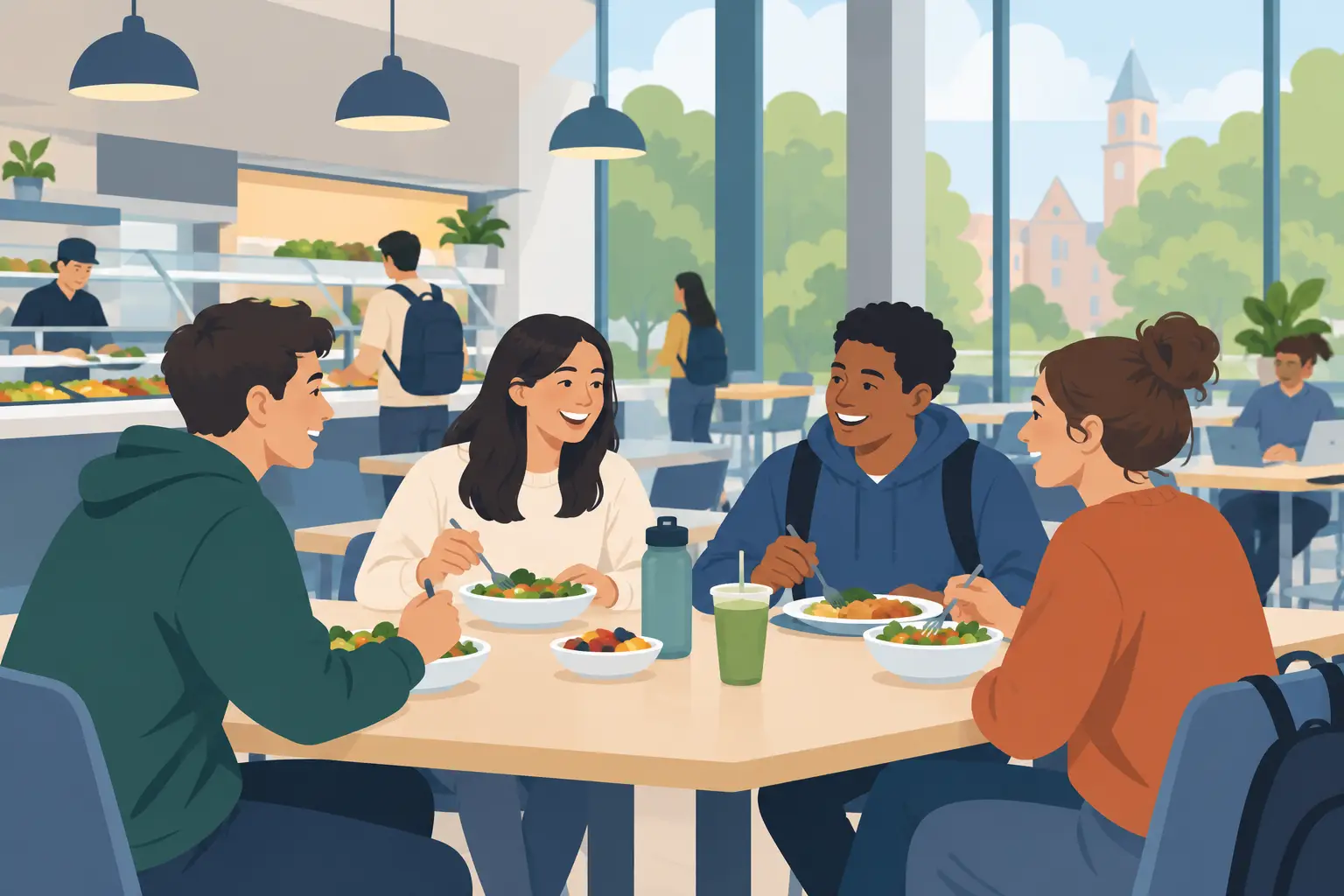
A 10-minute gap between classes is not the time for a complicated food decision. Students need campus dining options that work with real life: changing schedules, hungry friends, late-night study sessions, dietary needs, tight budgets, and the occasional “we need food before this meeting” emergency.
The best campus food programs understand that a meal is rarely just a meal. It can be a study break, a celebration after an exam, a team meeting, a first-date spot, or a reason to get out of the residence hall. When campus dining gets that mix right, it becomes part of the college experience instead of one more thing to squeeze into the day.
What Students Actually Need From Campus Dining Options
Convenience matters, but convenience alone does not create a place students want to return to. A grab-and-go snack is useful when someone is racing to class. A full meal with room to sit, laugh, and catch up serves a completely different need. Strong campus dining options make space for both.
Hours are a big part of the equation. Campuses do not run on a neat 9-to-5 schedule, and neither do students. Early practices, evening labs, student organization meetings, work shifts, and all-night study marathons create hunger at every possible hour. Dining that disappears too early can leave students relying on vending machines or whatever is left in the mini fridge.
Speed should not mean settling for food that feels forgettable. Students have enough rushed moments. When they choose a burger, wings, fries, salad, or shake, they want it to be worth the stop. The sweet spot is food that arrives quickly but still feels made for an actual appetite.
Choice Matters, Especially for Groups
Eating with friends sounds simple until everyone wants something different. One person is craving a loaded burger, someone else wants wings, another needs a meatless option, and the friend who skipped lunch is looking for a serious meal. That is why variety is not just a nice extra. It keeps the group together.
A dining location with flexible choices lets people order what works for them without turning every meal into a negotiation. Customizable proteins, clearly marked ingredients, satisfying sides, and shareable options can make a huge difference. Nobody wants to be the person saying, “I guess I will just eat later.”
There is a trade-off, though. A giant menu can become slow and confusing if it is not organized well. The strongest menus give people a few clear paths: signature favorites for the decisive, build-your-own flexibility for the particular, lighter choices for the between-class crowd, and shareables for the table.
Campus Food Should Feel Like a Break, Not Another Task
Students spend a lot of time moving between obligations. Classrooms, libraries, labs, residence halls, jobs, practices, and meetings can make the day feel like one long checklist. The right dining environment gives people a place to reset.
That does not require white tablecloths or a two-hour meal. It can be as simple as upbeat energy, comfortable seating, food that smells amazing, and enough room to gather without feeling rushed out. A campus restaurant should be able to handle both the student grabbing lunch alone and the group of eight debating who did worst on the midterm.
Food also creates low-pressure connection. Not every campus memory comes from a big event. Plenty happen over fries shared after a club meeting, a shake after a tough exam, or a spontaneous burger run when nobody feels like cooking. Those everyday moments are why experience matters.
LOL Burger Bar fits naturally into that kind of campus rhythm, with craveable comfort food that can cover a quick meal, a friend hangout, or a crowd that arrived hungry. The goal is not to make lunch feel fancy. It is to make it feel like the best part of a packed day.
How to Build Better Campus Dining Experiences
For campus dining teams, student groups, and anyone planning food for a college community, the first question should be: what problem is this meal solving? The answer changes the setup.
A student rushing between classes needs fast ordering, predictable pickup times, and food that travels well. A residence hall event needs variety, easy sharing, and enough quantity to avoid the dreaded empty-tray moment. A student organization meeting needs a simple ordering process and food that gives people a reason to show up on time.
Make Ordering Easy
The ordering process should be obvious from the start. Clear menus, transparent pricing, dietary information, and pickup details reduce friction when students are deciding with friends or ordering for a group. If it takes 15 minutes to figure out what everyone can eat, the food plan is already losing.
Digital ordering can help, especially during peak lunch and dinner windows. But it works best when the handoff is just as smooth as the checkout. Students should know where to go, what to expect, and whether they have enough time before their next commitment.
Plan for Different Kinds of Hunger
Not every customer is looking for the same portion or price point. Some are grabbing a quick side between classes. Others are fueling up after practice. Others are splitting food with friends before a game or campus event.
A smart campus mix includes meals that stand on their own, sides that can become a snack, and shareables that make group ordering less awkward. Wings, fries, shakes, and crowd-friendly burger options work because they can shift from individual order to table centerpiece without much effort.
Give Dietary Needs Real Consideration
Students should not have to guess whether a meal works for them. Clear allergen guidance and options for different dietary preferences show basic care for the campus community. It also helps friends make plans without excluding someone from the table.
This does not mean every menu item needs to suit every diet. It means the choices should be understandable, and guests should be able to make informed decisions. Honest information is more useful than vague promises.
The Case for Food That Brings People Together
Campus dining becomes especially valuable when it supports the moments that are hard to plan and easy to remember. Think student club kickoff nights, residence hall events, campus tours, watch parties, volunteer days, orientation gatherings, and end-of-semester celebrations.
For these occasions, food has to do more than taste good. It needs to arrive in a format that makes sense for the room. Individual meals can be better for a structured meeting, while platters and shareable sides work well when people are mingling. It depends on the event, the headcount, the timing, and whether guests will be standing with one hand on a phone.
Catering is often the answer when a group needs dependable food without assigning one stressed-out student to collect everyone’s order. The best group meals are simple to serve, generous enough to feel welcoming, and flexible enough that most people find something they are excited to eat.
Loyalty Has a Place on Campus, Too
Students notice value. They compare prices, split orders, hunt for deals, and remember which places come through when they are hungry and short on time. A rewards program can make repeat visits feel more worthwhile, especially for students who build a few go-to food spots into their weekly routine.
The key is keeping it easy. Complicated rules and hard-to-find benefits will not compete with a packed schedule. Straightforward rewards, occasional surprises, and perks that feel attainable give students a reason to come back without making them do math at the register.
Campus dining should meet students where they are: busy, social, hungry, and looking for a little more fun in the middle of a demanding day. Find the places that make food easy to order, good to share, and satisfying enough to turn an ordinary lunch break into a plan worth repeating.